Text: Share a Hot Take Editors
Arguing pop culture sharpens your reasoning about values in conflict.
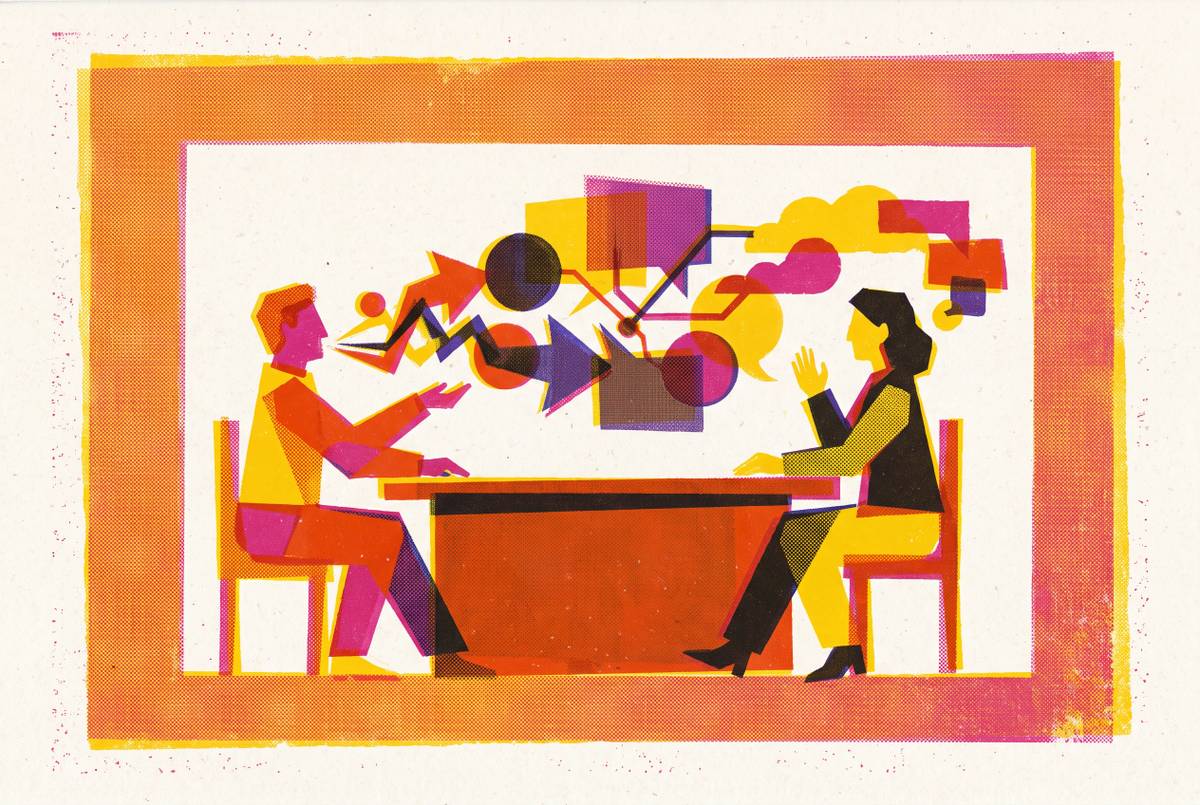
Pop culture opinions argued out loud can expose a genuine conflict between freedom, fairness, and identity. Debates over AI music, virtual influencers, and online culture require more than taste or conviction. Defending a position against a live opponent develops the ability to explain priorities, answer objections, and disagree with precision.
Why pop culture debates belong in the same category as serious argument topics
The objection that entertainment opinions are not real issues mistakes the subject of a debate for its structure. Creative freedom and fair compensation are both defensible commitments, but they can point toward different answers when an artist’s voice becomes a tool for someone else’s music. A serious argument begins where the debater must explain which should take precedence and why.
That requirement is not confined to technology policy or public affairs. Questions about manufactured personas, online identity, and storytelling also force choices between goods that people ordinarily want to preserve together. Even when the subject is familiar, thinking it through takes work. When two reasonable people can reach opposite conclusions for principled reasons, the disagreement offers genuine argument practice.
Six pop culture debates that are structurally worth arguing in 2026
AI-generated music and voice synthesis bring the freedom to make music into conflict with artists’ work, consent, and pay. A useful practice resolution is “AI-generated music using a real artist's voice without consent should be banned”. The affirmative must explain why control over an identifiable voice justifies restricting creative tools. The negative must defend access and innovation while answering the rights of the person whose voice is used.
Virtual influencers raise a different question about what is real and whom audiences can trust. Brands are drawn to manufactured, always-on personas that come without the demands of human labor, aging, or equity. Yet those advantages sharpen questions about displacement, deception, and what audiences find relatable in a parasocial relationship. The resolution “Brands that use virtual influencers without disclosure are deceiving their audiences” makes disclosure the hinge. One side must establish a transparency obligation, while the other must explain why commercial freedom permits withholding that distinction. Disliking a synthetic persona does not prove that it deceives anyone.
Small niches can support individual expression and community, but they can also weaken shared reference points and accelerate in-group/out-group sorting. Algorithmic curation is part of this debate because finding a community can look much like entering a filtered bubble. The resolution “Micro-aesthetic identity communities do more to divide than to connect people” requires comparative judgment. Each side must explain whose ties count and how much they matter when other people grow further apart.
Rage-baiting becomes a stronger debate when the question shifts from whether it is distasteful to whether platforms should discourage it structurally. Creator freedom to pursue audience growth by legal means conflicts with platform responsibility for deliberately provoked outrage and its emotional harm. The resolution “Platforms are ethically obligated to demote content designed primarily to provoke anger” makes that intervention explicit. The distinction between demotion and censorship needs an argument. Supporters must defend the platform’s obligation to intervene, while opponents must answer the harm rather than merely defend a creator’s right to publish.
Debates over short-form video and cinematic storytelling weigh who gets to tell stories and the new forms they take against concerns about attention to longer works, character development, and how filmmaking pays. The resolution “Short-form video has made storytelling more accessible without making it worse” gives both sides a demanding task. The affirmative must defend accessibility without assuming that wider participation establishes narrative quality. The negative must define deterioration without treating familiar forms as inherently superior. Nostalgia is not a sufficient standard here. The productive dispute concerns what storytelling is for and whether brevity changes its purpose or only its form.
The “Dead Internet Theory” combines concerns about authenticity with a claim that bots, AI-generated content, and coordinated actors have deliberately displaced human activity online. That claim should not become an assumed premise. The resolution “The proliferation of AI-generated online content meaningfully undermines public trust in digital communication” separates an arguable effect from the theory’s speculative account. One side must explain how saturation damages trust, while the other can challenge the harm or the assumption that human origin determines quality. Both must explain how to tell what is authentic, without taking unease or hopes for technology as proof.
Why these topics produce better argument practice than they look like they should
These resolutions require a debater to rank values. Freedom, accountability, expression, and collective welfare cannot each receive unconditional priority when they conflict. A case therefore needs a decision rule. The debater must explain why one value matters more in the case set out by the resolution, then defend that rule against the opponent’s reasons for choosing another.
That work is weighing and framing, which gives a judge or audience a reason to prefer one argument even when both retain force. A first-time debater can enter through an opinion they already understand, then discover where its reasoning fails. Arguing the unfamiliar side builds on that benefit because defending virtual influencers while finding them hollow takes a case that stands apart from how the debater feels. The transferable skill is flexibility under constraint.
What arguing these topics out loud demands that writing about them does not
Writing leaves time to revise, research, and pause that a timed spoken round does not allow. Against a live opponent, the debater must track an argument, form a response, and deliver it while the clock runs. These demands come at the same time. A prepared speech can supply language, but it cannot anticipate every objection or replace the attention needed to hear an unexpected one.
Active listening shows through flowing: following arguments from speech to speech. The response must address what the opponent actually said. At the close, weighing adds another demand because the speaker must compare the arguments still standing and explain which impacts deserve priority.
The chess analogy is useful within those limits. Studying a position differs from playing against someone who makes an unanticipated move and then adapts to the reply. Likewise, rehearsing alone can improve delivery without reproducing reciprocal pressure. Live, judged practice tests whether the reasoning survives an opponent’s intervention.
How to build the argument before you enter a live round
To prepare for that pressure, build a claim-warrant-impact argument on the AI music resolution. “Artists deserve consent rights” is a claim. The warrant explains why, namely that a voice is an identity marker inseparable from the person who trained it over a lifetime. The impact then argues that synthesis without consent erodes the music industry’s economic and moral foundation. Treat each link as something to defend.
Next, steelman the opposing case by giving creative freedom and technological access their strongest expression. An opponent may accept the importance of artist rights while disputing whether a ban is justified, so preparation must address the proposed restriction as well as the underlying value.
Before the round, pre-write rebuttals to the two most likely responses to each argument. For this case, those responses might challenge whether identity establishes control over synthesis or whether the claimed industry harm follows from the warrant. Drafting once makes later delivery an act of retrieval. Then record a timed delivery, listen for pacing and clarity, and repeat it. The recording tests whether the reasoning is audible.
How to argue in the round itself when the topic is unfamiliar or the opponent surprises you
During the round, aim refutation at the premise the opponent’s case rests on. In the virtual-influencer debate, an opponent may argue that audiences can distinguish manufactured personas and choose accordingly. That premise supports the claim of informed choice. If it fails, the argument against disclosure loses its foundation, so the response should test that premise.
When an unfamiliar objection arrives, restate it cleanly before answering from first principles. This buys time to think and shows that the objection was heard correctly. Keep flowing throughout, because in most debate formats an unanswered argument is treated as conceded, and an otherwise strong speech can leave a decisive point untouched. Tracking answers is part of reasoning under pressure.
At the close, compare the surviving impacts explicitly. In the same debate, explain why audience trust should outweigh commercial freedom, or the reverse, using the reach, certainty, or reversibility of the effects actually argued. Do not assume the judge will supply that comparison. Framing then establishes which value takes precedence when creator freedom and audience trust conflict. The purpose is to make the basis of disagreement clear enough to evaluate.
How AI judging gives you useful feedback on pop culture arguments specifically
A scored verdict with an immediate written explanation makes a round available for analysis. Pop culture debates tend to be values-heavy and evidence-light compared with policy debates, so reasoning and response quality bear more of the argumentative load. Confidence can obscure a missing logical link. Useful feedback identifies where a warrant remained an assertion, which argument went unanswered, and whether a rebuttal reached the premise supporting the opposing case.
AI judging may apply the rubric the same way each time without getting tired or distracted as people do. That advantage in judging labeled “AI” depends on a legible process, however. Scoring rules should be published before the round. The written decision should also refer to what was actually said, giving the debater a concrete basis for learning from the assessment or contesting it.
Subjective topics make that transparency especially important because a judge’s prior assumptions can shape how competing values are assessed. A panel of multiple independent models can distribute and reduce individual model bias. It does not remove the need for scrutiny. The useful feedback mechanism is therefore a reasoned decision under known rules.
Building a regular practice habit around pop culture debates
To turn that feedback into progress, use a sequence that isolates skills before combining them. During weeks 1–3, write claim-warrant-impact arguments on both sides of one pop culture topic each day so that using the structure becomes a habit before a live round. During weeks 4–6, watch or listen to recorded rounds on similar topics and flow them. Accuracy comes before speed in this phase. Follow an argument from one speech to the next without losing track of the answers to it.
During weeks 7–9, turn those flowed arguments into four-step responses using “they say, but, because, therefore”. This sequence connects an accurate account of the opposing claim to a response, its reasoning, and its consequence. During weeks 10–12, combine weighing, framing, and delivery in full practice rounds with feedback. Each stage adds a demand to the previous one. The progression avoids treating fluency as evidence that every underlying skill is already secure.
Between rounds, review recordings for places where the claim took longer than the warrant, and practice impromptu rebuttals on an unprepared side of the six topics. Read written judgments from several rounds together to find weaknesses that keep coming up. Repetition alone can entrench the wrong habits. Feedback should guide what to work on in the next attempt, while pop culture keeps bringing new disputes to use in practicing the same reasoning skills.
Choose a resolution, prepare both sides, and make the argument out loud.